Journal / Behind the shots
Filming The Syndrome at Victoria Station in rush hour
By Joseph Wright, One-Life Media. 5 October 2026
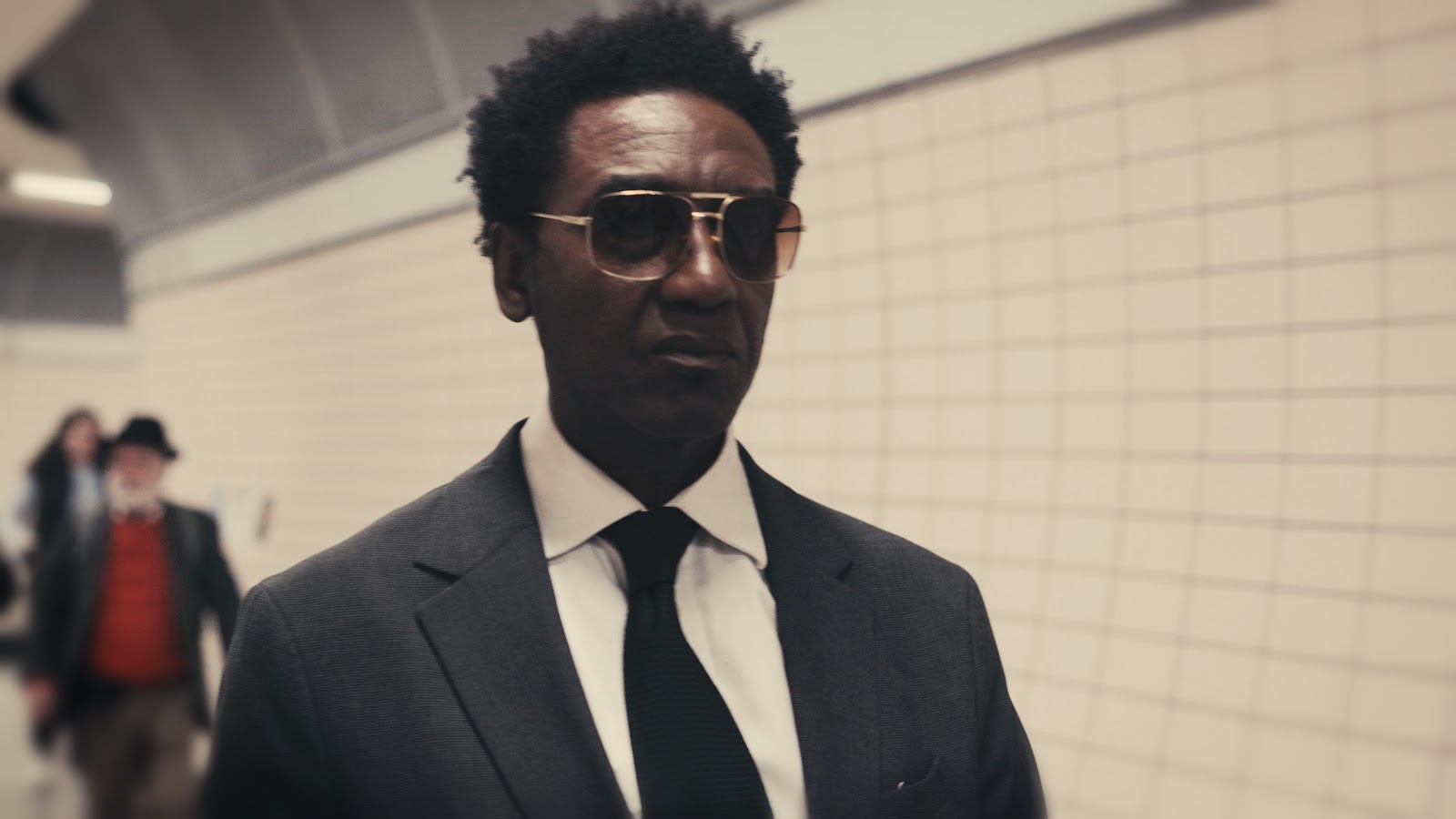
The image at the top of our homepage is a still from The Syndrome by Damel The Artist. We filmed it at Victoria Station, in rush hour. Here is how we approached it, and what we would tell you if you were planning a shoot in a busy public space.
Why a train station?
A station at rush hour gives you movement you could never stage. Hundreds of people cross the frame, trains arrive and leave, and the light changes as you move.
For an artist, that energy says something before a single lyric lands. The crowd becomes part of the story, and the artist becomes the one fixed point in it.
The challenge is that you cannot control any of it. So the kit and the plan have to do the controlling for you.
The kit we used
We kept the set-up small and mobile. Everything had to move with us through the crowd.
- Camera: a Sony a7 III.
- Stabiliser: a Zhiyun Weebill-S gimbal.
- Support: a NEEWER T222 extendable camera monopod, with the gimbal attached.
The gimbal keeps the picture steady while we walk. The monopod gives us reach, so we can lift the camera above heads or bring it low for a different angle.
A rig like this also looks modest. In a public space, that matters as much as the picture quality.
Working with the crowd, not against it
In rush hour, nobody stops for a camera, and that is the point. The people in the background are simply going about their day.
We work around the flow of people rather than trying to hold it back. That means picking spots where the artist can stand or move without blocking anyone.
It also means being quick. Short takes, a clear idea of each shot and a small crew keep the shoot moving.
Planning a shoot in a public space
If you are thinking about a video in a station, a shopping centre or a busy street, these are the questions we would ask first.
Do you need permission?
Many stations and private spaces have rules about filming. Check with the venue or landowner before you plan the day, and allow time for a reply.
How big is your crew and kit?
The smaller the set-up, the easier it is to move through a crowd. A single camera on a gimbal can often do the job of a much larger rig.
What is the one thing that must happen?
Decide on the key shots before you arrive. When the space is busy and noisy, a short, clear shot list stops you losing the best moments.
How will people feel about being filmed?
Be considerate. If someone does not want to appear in your video, respect that and move on.
What the gimbal changes
Handheld footage in a crowd can look shaky and tiring to watch. A gimbal smooths out each step, so the camera can glide alongside the artist.
That smooth movement makes a fast, crowded space feel cinematic. It lets the viewer follow the artist without being thrown around by the camera.
Pairing the gimbal with a monopod adds one more option. You can raise the camera for a high, sweeping view, then drop it down again without stopping.
The result
The Syndrome shows what a small, well-planned set-up can do in one of London's busiest spaces. The station gives the video scale, and the artist gives it a focus.
You can watch the video and read the original notes on our Content blog: Damel The Artist, The Syndrome.
Planning your own video?
We shoot on location, build with AI tools, and often do both. Filmed music videos start from £290, and we confirm the price before any work begins.
See our pricing, or get in touch to talk about your idea.